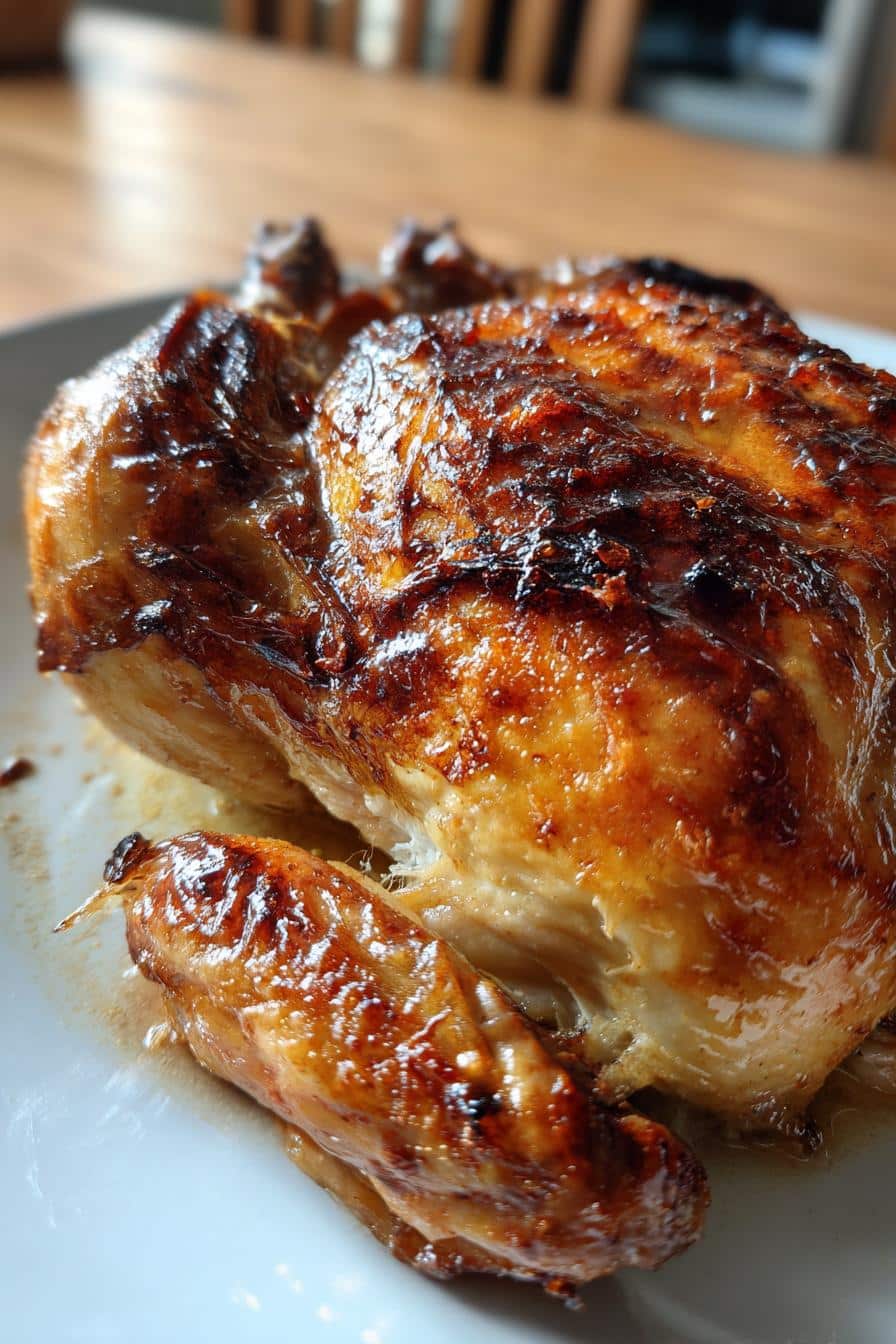
Never Dry Chicken Again: Unlock Ultimate Moisture with a Simple Brine
The quest for perfectly cooked chicken often ends in disappointment. Dry, bland chicken breasts or tough roasted birds are common culinary woes that leave home cooks feeling defeated. But what if there was a simple, scientific solution to guarantee juicy, tender, and flavorful chicken every single time? Enter the magic of a
chicken brine. Brining chicken is a time-tested technique that transforms ordinary poultry into an extraordinary meal, ensuring unparalleled moisture and seasoning from the inside out. Forget guesswork and embrace a method that promises succulent results, whether you’re grilling, roasting, frying, or smoking.
Why Brine Chicken? Unlocking Unparalleled Moisture and Flavor
At its heart, brining is a brilliant culinary hack rooted in science. When you submerge chicken in a salt solution – a
chicken brine – something remarkable happens. The salt works its way into the meat through osmosis, altering the muscle proteins. This process allows the muscle fibers to relax and, critically, absorb and retain more water during cooking. Think of it like a sponge that’s been pre-filled; it has more moisture to lose before it becomes dry.
But the benefits extend beyond just moisture. A well-crafted chicken brine also seasons the meat deeply. Unlike surface seasoning, which only flavors the exterior, brining infuses every fiber with deliciousness. This means that even lean cuts, notorious for drying out quickly, emerge from the heat juicy, tender, and seasoned throughout. No more bland interiors! This method is a reliable way to get consistent results, taking the guesswork out of achieving that perfect tenderness and flavor.
Crafting Your Perfect Chicken Brine: The Essential Ingredients
Creating an effective chicken brine doesn't require a chemist's lab; in fact, you likely have the core ingredients in your pantry right now. A classic, incredibly effective chicken brine relies on just a handful of staples: water, salt, sugar, and often a few extra flavor enhancers.
* **Water:** This is your base, dissolving the other ingredients and carrying them into the chicken. A gallon of warm water is a good starting point for a whole chicken or several pieces.
* **Kosher Salt:** This is the MVP of your brine. Kosher salt's larger crystal size makes it easier to measure accurately by volume and dissolve, and it lacks the anti-caking agents found in table salt that can sometimes cloud a brine. It tenderizes the meat, helps it retain moisture, and adds fundamental flavor. Understanding salt ratios is key to success. For precise control, aim for a 5-6% salt by weight solution (50-60g salt per 1000g water). For a deeper dive into optimal salt ratios and how different salt types affect your brine, check out our guide on
Master Juicy Chicken: Salt Ratios, Timing, and Brining Secrets.
* **White Sugar:** A subtle addition that plays a surprisingly vital role. Sugar helps balance the saltiness, adds a hint of sweetness, and, perhaps most importantly, promotes beautiful browning and a delicious crispy skin when the chicken is cooked.
* **Soy Sauce:** While not always included in every simple brine, soy sauce is a fantastic addition for adding an extra layer of umami depth and savory flavor. It contributes additional salinity and richness, elevating the overall taste profile.
* **Olive Oil:** A lesser-known but powerful ingredient, olive oil in a brine helps in two ways: it can contribute to a slightly more tender texture and a richer mouthfeel in the cooked chicken.
**Pro Tip for Mixing:** Start by warming a portion of your water. This helps dissolve the salt and sugar quickly and thoroughly. Once dissolved, add the remaining cold water (and even a handful of ice) to rapidly bring the brine down to refrigerator temperature. **Never place raw chicken into lukewarm brine**; temperature control is paramount for food safety.
The Simple Steps to Brining Success: From Mix to Chill
Once you have your ingredients, the process of brining chicken is incredibly straightforward, though a few key details ensure success.
1. **Prepare Your Brine:** Pour the warm water into a large container. Stir in the kosher salt, sugar, soy sauce, and olive oil until the salt and sugar are completely dissolved.
2. **Cool Completely:** This step is non-negotiable for food safety. The brine *must* be cooled to room temperature, or ideally, chilled in the refrigerator, before the chicken is added. Adding ice can speed this up.
3. **Choose the Right Container:** Always use a food-grade, nonreactive container. Stainless steel stockpots, enameled pots, brining bags, or food-grade plastic buckets work perfectly. Avoid aluminum, which can react with the salt.
4. **Submerge the Chicken:** Gently place your chicken cuts or whole bird into the cooled brine. Ensure the chicken is fully submerged. If it floats, weigh it down with a small, clean plate to keep it under the liquid.
5. **Refrigerate:** Cover the container and place it in the refrigerator for the recommended brining time. This is crucial for both food safety and effective brining.
For a ready-to-use recipe that walks you through these exact steps with the perfect ratios, check out our popular article:
Perfectly Tender Chicken: The Simple 5-Ingredient Brine.
Timing is Everything: How Long to Brine Different Chicken Cuts
One of the most common questions about brining is, "How long should I brine my chicken?" The answer depends on the type and size of the chicken piece you're using. Brining for too short a time won't yield optimal results, while over-brining can lead to overly salty or even mushy meat.
* **Skinless Chicken Breasts:** These leaner cuts benefit from a shorter brine, typically **2 hours**. Their lack of skin and bones means the brine penetrates more quickly.
* **Bone-In Chicken Pieces (Thighs, Drumsticks, Wings):** With more mass and bones, these cuts need a bit longer, usually around **4 hours**.
* **Whole Chickens:** For a full bird, plan for a minimum of **4 hours**, but you can extend this to **up to overnight (12 hours)** for maximum flavor and moisture retention.
**Important Post-Brine Steps:**
After brining, remove the chicken from the solution. While some recipes suggest a quick rinse under cold water to remove excess surface salt (especially if you used a higher salt concentration or brined for a long time), it's often not strictly necessary with a well-balanced brine. The most important step is to **pat the chicken very, very dry** with paper towels. For truly crispy skin, consider placing the brined and dried chicken on a rack in the refrigerator, uncovered, for 1-12 hours before cooking. This air-drying process helps dehydrate the skin, leading to a much better texture in the oven or on the grill.
Finally, always cook your brined chicken to a safe internal temperature of **165°F (74°C)**, measured in the thickest part of the meat, to ensure it's safe to eat and perfectly cooked.
Conclusion
No longer will dry, uninspiring chicken be a staple at your dinner table. Mastering the art of the
chicken brine is a simple yet revolutionary step that guarantees juicy, tender, and incredibly flavorful results every single time. By understanding the simple science behind it, gathering a few pantry staples, and following straightforward steps, you can transform your chicken dishes from ordinary to extraordinary. Whether you’re a seasoned chef or a home cook looking to elevate your everyday meals, incorporating a chicken brine into your routine is the ultimate secret to perfectly moist poultry. Give it a try – your taste buds will thank you!